

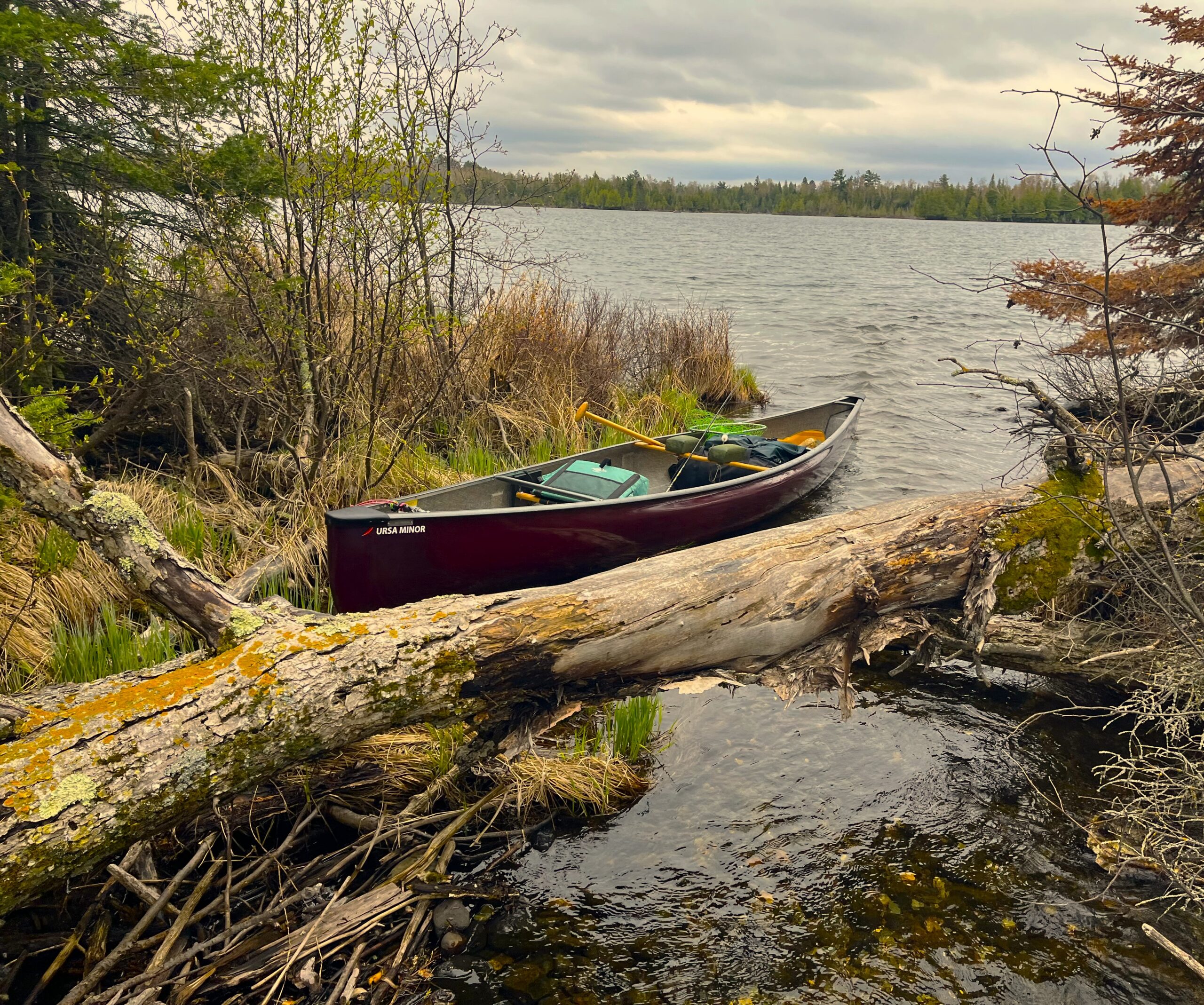
There are few places in North America that offer the same combination of wilderness, solitude, and adventure as the Boundary Waters Canoe Area Wilderness. With more than one million acres of lakes, rivers, forests, and interconnected portage trails, the Boundary Waters attracts paddlers from across the country looking to disconnect from daily life and reconnect with nature.
Whether you’re planning your first weekend trip or preparing for a week-long expedition deep into the wilderness, what you pack can have a major impact on your experience. Pack too much and every portage becomes a chore. Pack too little and you may find yourself wishing you had a few key items miles away from the nearest road.
The goal is simple: bring everything you need and nothing you don’t.
This guide breaks down the essential gear, clothing, food, and safety items that should be considered before launching your canoe into the Boundary Waters.
Start With the Right Canoe
Before discussing what goes inside your packs, it’s important to consider the piece of equipment that carries everything else.
The Boundary Waters is unique because every trip involves both paddling and portaging. A canoe that performs well on the water but is difficult to carry can quickly turn a great trip into a difficult one.
Lightweight composite canoes have become increasingly popular for Boundary Waters travelers because they reduce fatigue on long portages while still offering excellent durability and efficiency on the water. Models designed specifically for wilderness travel help paddlers cover more miles while conserving energy throughout the day.
At Redfeather Ely, many visitors stop in before their trip to compare canoe designs, discuss routes, and learn what experienced paddlers are carrying into the wilderness each season.
The Golden Rule of Packing
The most common mistake first-time paddlers make is overpacking.
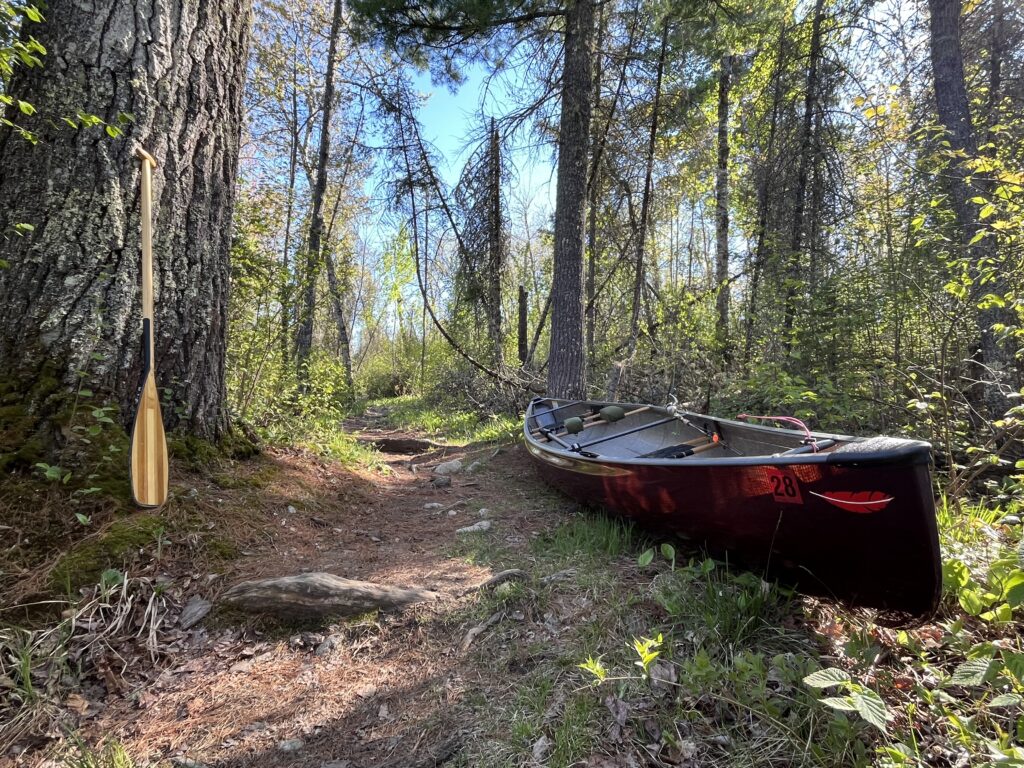
Every item you bring must be loaded into the canoe, carried across portages, unloaded at camp, and packed again the next day.
A good rule of thumb is to lay everything out before your trip and then remove roughly twenty percent of it.
If you’re debating whether you’ll actually use something, the answer is usually no.
Focus on necessities, comfort items that truly matter, and gear that serves multiple purposes.
Essential Camping Gear
Tent
Your tent is your home in the wilderness.
Choose a lightweight tent with a rainfly and enough space for the number of people in your group. While large family tents might be comfortable at a campground, they are rarely ideal for Boundary Waters travel.
Look for:
- Waterproof rainfly
- Lightweight design
- Easy setup
- Durable stakes
- Compact packed size
Sleeping Bag
Even during summer, nighttime temperatures in northern Minnesota can be surprisingly cool.
Most paddlers find a sleeping bag rated between 20 and 40 degrees ideal for the majority of the paddling season.
Store your sleeping bag in a waterproof compression sack to keep it dry.
Sleeping Pad
A quality sleeping pad adds comfort and insulation.
Many first-time campers underestimate how much better they sleep when they are insulated from the ground.
Good sleep often translates into better energy and a more enjoyable trip.
Camp Pillow
This may seem like a luxury item, but a small inflatable pillow takes up very little space and can dramatically improve your quality of sleep.
Clothing Essentials
One of the biggest misconceptions about the Boundary Waters is that you need a huge wardrobe.
You don’t.
Focus on layers rather than numerous outfit changes.
Base Layers
Moisture-wicking shirts help regulate temperature and dry quickly.
Avoid cotton whenever possible.
Cotton stays wet and can become uncomfortable or even dangerous in cooler conditions.
Mid Layers
Fleece jackets and lightweight insulated layers provide warmth during cool mornings and evenings.
Rain Gear
Rain is inevitable in the Boundary Waters.
A quality rain jacket and rain pants should be considered mandatory equipment.
The weather can change quickly, and staying dry is one of the most important factors in maintaining comfort.
Camp Clothes
Many experienced paddlers bring one dedicated set of dry camp clothes.
After spending the day paddling, changing into dry clothing at camp can feel like a luxury.
Footwear
Footwear is one area where experience matters.
Most paddlers use:
- Water shoes or sandals while paddling
- Hiking shoes or boots around camp
- Wool socks
Your feet will likely get wet. Planning for it is usually easier than trying to prevent it.
Food and Cooking Equipment
Food always tastes better in the wilderness.
That said, meal planning deserves careful consideration.
Camp Stove
Although campfires are a cherished Boundary Waters tradition, weather conditions don’t always cooperate.
A lightweight camp stove ensures you can cook meals regardless of conditions.
Fuel
Double-check fuel compatibility before departure and bring enough for the entire trip.
Cook Set
A basic cook kit typically includes:
- Pot
- Frying pan
- Utensils
- Mug
- Bowl
- Lightweight spatula
Water Filtration
Water filtration is one of the most important pieces of gear you’ll carry.
Popular options include:
- Gravity filters
- Pump filters
- Squeeze systems
Never assume lake water is safe to drink without treatment.
Food Storage
Protecting food from animals is essential.
Most groups use:
- Bear-resistant containers
- Food barrels
- Hanging systems
Store food away from sleeping areas whenever possible.

Navigation Equipment
Technology is useful, but batteries fail.
Always carry backup navigation tools.
Maps
A waterproof Boundary Waters map remains one of the most important items in your pack.
Learn to read it before your trip.
Compass
Every group should carry a compass and know how to use it.
GPS Device
GPS units can be valuable for confirming location, tracking routes, and navigating in poor visibility.
However, they should supplement—not replace—traditional navigation tools.
Safety Equipment
The Boundary Waters is remote wilderness.
Preparation matters.
Personal Flotation Devices
Every paddler should have a properly fitted life jacket.
Wear it.
Many accidents happen close to shore and in conditions that appear calm.
First Aid Kit
Your first aid kit should include:
- Bandages
- Gauze
- Medical tape
- Pain relievers
- Blister treatment
- Antihistamines
- Tweezers
- Antiseptic wipes
Customize it for your group’s needs.
Emergency Communication
Cell service can be limited or nonexistent.
Many paddlers now carry satellite communication devices for emergencies.
Headlamp
Hands-free lighting is invaluable around camp.
Bring extra batteries.
Fire Starter
Pack multiple methods:
- Waterproof matches
- Lighter
- Fire starter cubes
Redundancy is important when dealing with fire.
Dry Bags and Organization
One of the easiest ways to improve a trip is to stay organized.
Dry bags keep equipment protected while making it easier to locate gear.
Consider separate bags for:
- Clothing
- Sleeping gear
- Food
- Electronics
- First aid supplies
Color coding can help groups stay organized throughout the trip.
Fishing Equipment
Many visitors come to the Boundary Waters specifically for world-class fishing.
Common species include:
- Walleye
- Smallmouth Bass
- Northern Pike
- Lake Trout
Keep tackle simple.
A small selection of proven lures often outperforms a large tackle box filled with options you’ll never use.
Remember to carry a valid Minnesota fishing license.
Comfort Items Worth Bringing
Not every item needs to be purely practical.
A few carefully selected comfort items can significantly improve your trip.
Popular choices include:
- Camp chair
- Journal
- Book
- Camera
- Coffee press
- Lightweight hammock
The key is moderation.
Choose a few comforts rather than packing everything.
What Not to Bring
Some items consistently end up unused.
Avoid bringing:
- Large coolers
- Excessive clothing
- Heavy cast-iron cookware
- Multiple pairs of shoes
- Large speakers
- Bulky luxury items
Remember that every extra pound must be carried over portages.
Preparing Before You Leave Ely
Ely serves as the gateway to many Boundary Waters adventures, making it the perfect place to complete final preparations.
Before entering the wilderness:
- Review weather forecasts
- Confirm permit information
- Check route plans
- Inspect equipment
- Organize food
- Test water filters
- Charge electronics
- Inform someone of your itinerary
Many paddlers also use the opportunity to stop into local outfitters and gear shops for last-minute supplies, route advice, and recommendations from people who spend countless days on the water each year.
Final Thoughts
A successful Boundary Waters trip isn’t determined by how much gear you bring. It’s determined by how well you prepare.
The best packing strategy balances safety, comfort, and efficiency. Every item should have a purpose. Every pound should justify its place in the canoe.
With the right equipment, a reliable canoe, and thoughtful planning, you’ll be ready to experience one of North America’s greatest wilderness destinations.
Whether you’re setting out for a weekend adventure or a week-long expedition, the memories you’ll make on the lakes, portages, campsites, and quiet shorelines of the Boundary Waters will last far longer than the trip itself.
And if you’re beginning your journey in Ely, stop by Redfeather Outdoors. From lightweight canoes designed for wilderness travel to expert advice from fellow paddlers, we’re proud to help adventurers spend more time exploring and less time worrying about what they forgot to pack.